
Introduction Acupuncture for Interstitial Cystitis (IC/PBS) is proving to be a highly effective approach for patients suffering from chronic pelvic pain where conventional medicine often falls short. Interstitial Cystitis presents a significant challenge in modern healthcare, characterized by severe urinary urgency and inflammation without a clear conventional pathology. This clinical case study explores the successful application of Master Tung protocols, guided by a proprietary VAS hand diagnosis method, to achieve lasting relief.
Understanding Interstitial Cystitis: A Western Medical Perspective
Interstitial Cystitis (IC), frequently referred to as Painful Bladder Syndrome (PBS), is a complex, chronic condition that severely impacts a patient’s quality of life. From a Western medical standpoint, it is characterized by pelvic pain, severe bladder pressure, and a persistent, urgent need to urinate. Unlike a standard Urinary Tract Infection (UTI), IC occurs without any identifiable bacterial infection.
The exact etiology of IC/PBS remains unknown. However, conventional medical theories suggest it may involve a defect in the protective mucosal lining (epithelium) of the bladder. When this lining is compromised, toxic substances present in urine can leak through and irritate the bladder wall, triggering severe localized inflammation, nerve sensitization, and intense pelvic pain.
Because standard imaging and lab tests (such as urine cultures or CT scans) typically return normal results, diagnosing IC is often a “diagnosis of exclusion.” Physicians must first rule out UTIs, overactive bladder, and bladder cancer before concluding it is IC. Furthermore, conventional treatments—ranging from oral medications and nerve stimulation to bladder instillations—frequently yield inconsistent results, focusing primarily on symptom management. This gap in effective conventional care makes acupuncture for Interstitial Cystitis a vital alternative, offering a pathway to reduce inflammation, modulate the nervous system, and address the root cause of the pelvic pain without adverse side effects.
Patient Profile & Chief Complaint
- Gender/Age: Female, 64
- Initial Visit: August 25, 2024
- Chief Complaint: Intermittent, sharp pain above the pubis lasting for 2.5 months, described as an inflammatory sensation.
- Accompanying Symptoms: Urinary urgency, leading to voluntary restriction of fluid intake. Increased fluid intake immediately resulted in urinary frequency. No radiating pain.
- Western Medical History: Recurrent UTIs over the past 5 years. A recent allopathic workup, including a Colonoscopy and an Abdominal CT, was unremarkable regarding the pelvic pain. As is common with this condition, conventional medicine failed to provide a definitive diagnosis for her chronic suffering.
Practitioner Diagnosis & Assessment (TCM)
Based on the clinical presentation and the history of conventional diagnostic failures, the practitioner strongly suspected IC/PBS. Further diagnostic refinement was achieved via:
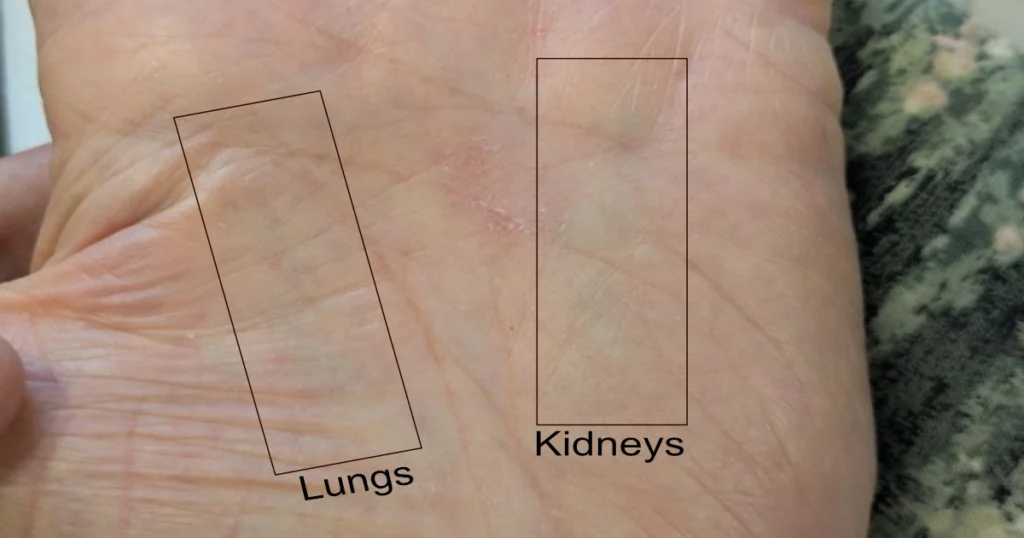
TCM/Hand Diagnosis Findings: Assessment was performed utilizing a proprietary VAS Hand Diagnosis method developed by the practitioner. Findings indicated bilateral kidney involvement and right-sided heart involvement.
Treatment Protocol
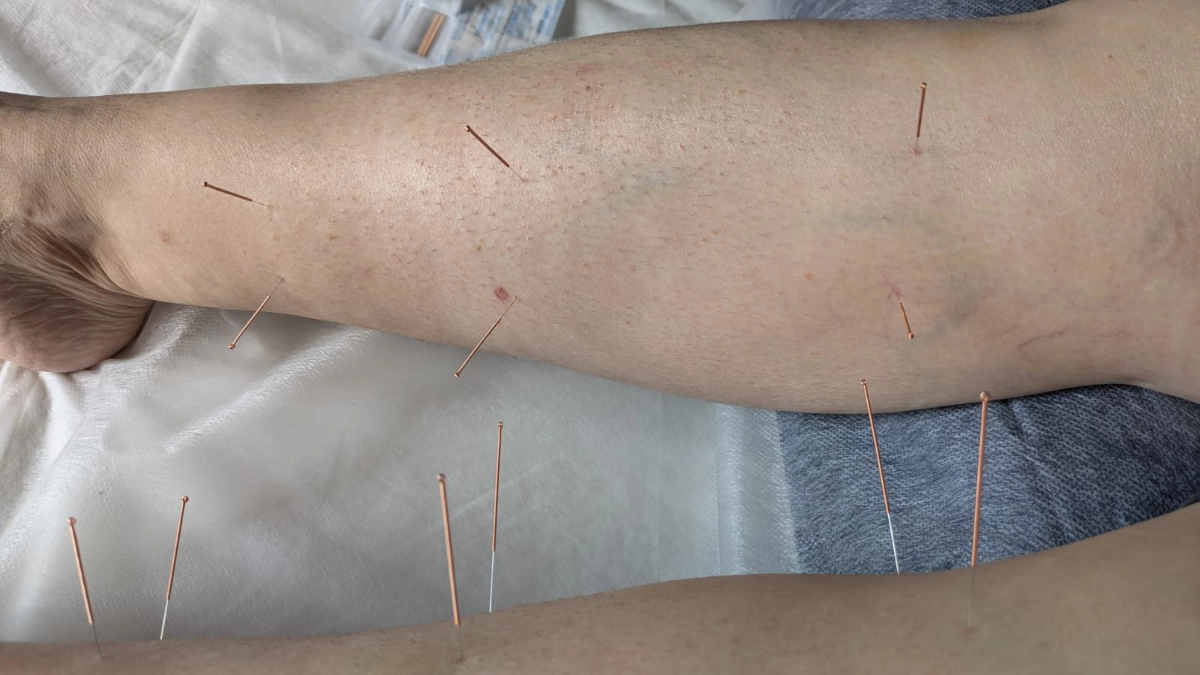
The point prescription was guided directly by the VAS Diagnosis. To ensure the reliability and replicability of this approach, the exact same acupuncture points were used consistently across all sessions.
Bilateral Points:
Three Lower Emperors: 77.17 (Tian Huang), 77.19 (Di Huang), 77.21 (Ren Huang).
Three corresponding points on the Leg Shao Yin (Kidney) channel, located horizontally parallel to the Three Lower Emperors.
Right-Side Only:
88.01 (Tong Guan) – Added specifically to address the Heart pattern identified during the VAS diagnosis.
Additional Points:
GV20 (Baihui), GV22 (Xinhui), and Yintang.
Clinical Progression & Timeline
The treatment course demonstrated a distinct correlation between treatment frequency and symptom management—a critical factor when treating chronic inflammatory conditions.
- Tx 1-3 (Weekly Interval): Immediate positive response. A clear pattern was identified: a 48-hour post-treatment aggravation followed by significant relief.
- Tx 4-5 (Extended Intervals): When sessions were extended to 3-4 weeks, symptoms recurred. Pain presented primarily while sitting and standing, indicating the fragility of the healing process at this stage.
- Tx 6-9 (Return to Weekly Interval): Re-establishing a strict weekly cadence stabilized the condition. The patient was entirely pain-free by Tx 8 and 9. Symptoms completely resolved.
Long-Term Follow-Up On March 9, 2026, the patient returned for an unrelated issue. She happily confirmed that since her final bladder treatment, the IC/PBS symptoms had not returned.
Clinical Conclusion
This case highlights the profound clinical efficacy of acupuncture for Interstitial Cystitis. Critically, it demonstrates that appropriate treatment pacing is just as vital as point selection. For chronic, inflammatory conditions, strict weekly sessions are often required to build therapeutic momentum, preventing symptom regression during the critical consolidation phase.